


Winter can be a challenging time for maintaining a healthy lawn, but with the right care and preparation, your grass can survive the cold months and thrive come spring. Here are some essential tips for winter lawn care to keep your yard in top shape:
1. Clean Up Debris Before winter sets in, clear your lawn of leaves, branches, and other debris. Debris can smother the grass, create damp conditions that promote disease, and invite pests. A clean lawn allows sunlight to reach the grass and improves air circulation, reducing the risk of mold and mildew.
2. Aerate Your Lawn Aerating your lawn in the fall can help it withstand the winter months. Aeration involves perforating the soil with small holes to allow air, water, and nutrients to penetrate the grass roots. This process helps reduce soil compaction, enhances root growth, and improves the lawn’s overall health and resilience.
3. Apply a Winter Fertilizer Applying a winter fertilizer in late fall provides your grass with essential nutrients to survive the winter. Look for a slow-release fertilizer high in potassium, which strengthens the grass and enhances its cold tolerance. Proper fertilization ensures that your lawn has the necessary nutrients to maintain health during dormancy.

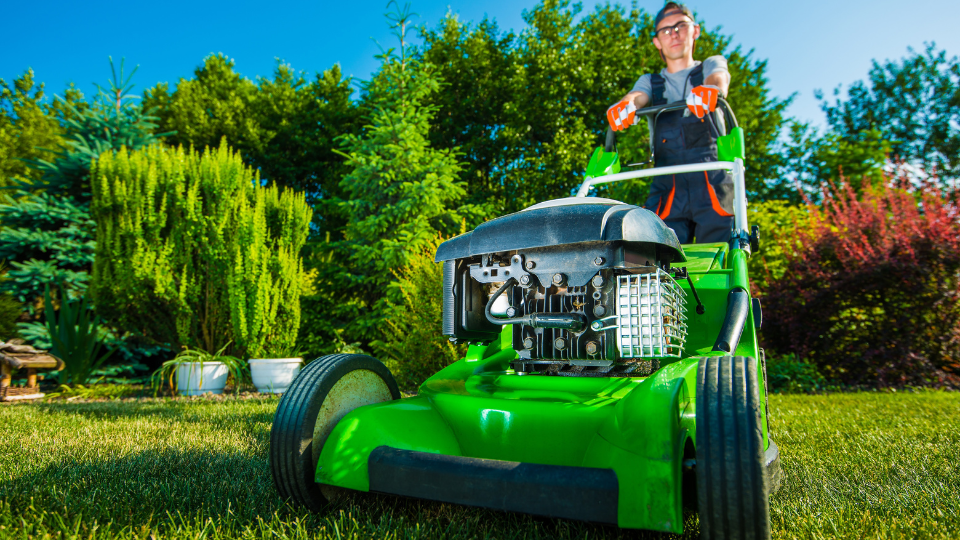
4. Mow at the Right Height As winter approaches, gradually lower the mowing height of your lawn. The final mow of the season should be shorter than usual, but not so short that you scalp the lawn. A shorter lawn reduces the risk of snow mold and other fungal diseases, while still protecting the grass crowns.
5. Avoid Excessive Foot Traffic Try to minimize foot traffic on your lawn during the winter months. Grass can become brittle and easily damaged when it’s cold and covered in frost or snow. Creating designated walkways and using them regularly can help protect your lawn from unnecessary wear and tear.
6. Manage Snow and Ice Heavy snow and ice can damage your lawn if left unmanaged. Avoid piling snow on your grass, as large snow piles can smother the grass and lead to disease. When shoveling snow, try to distribute it evenly across your yard. If you use de-icing products, choose ones that are safe for grass to prevent chemical damage.
7. Monitor for Pests and Diseases Winter is a time when certain pests and diseases can become problematic. Keep an eye out for signs of vole activity, snow mold, and other issues. If you notice any problems, address them promptly to prevent extensive damage. Consult with a lawn care professional if you’re unsure how to handle specific issues.
8. Plan for Spring Winter is an excellent time to plan your spring lawn care activities. Consider what improvements or changes you’d like to make, such as overseeding, installing new irrigation systems, or implementing new landscaping features. Having a plan in place will help you hit the ground running when the weather warms up.
By following these winter lawn care tips, you can ensure that your grass remains healthy and ready to bounce back when spring arrives. Proper winter preparation and maintenance are key to maintaining a lush, green lawn year-round.